Kyiv Metro
Kyiv, Ukraine
ActiveKyiv Metro Lines (3)
Kyiv Metro Overview
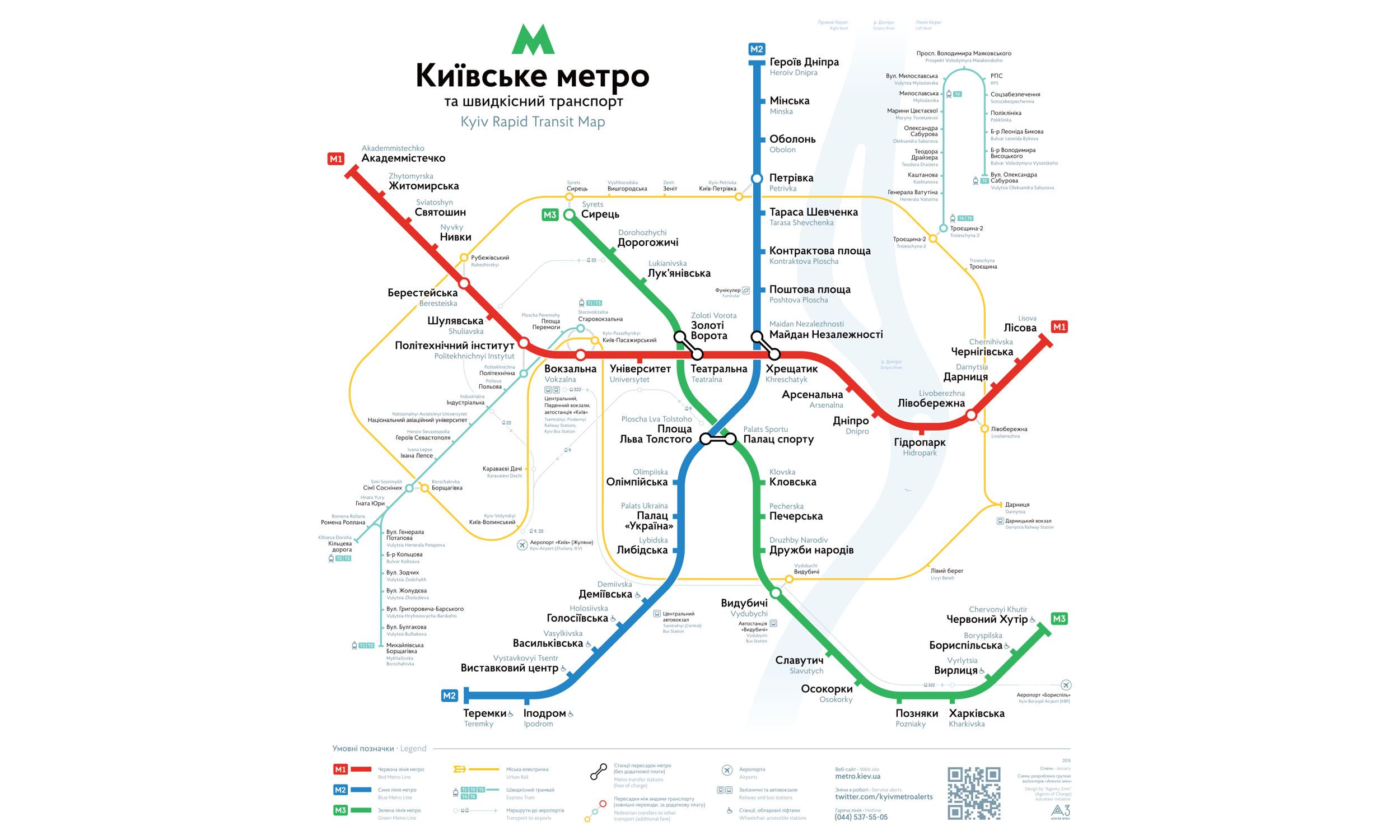
The cornerstone of urban transportation in the capital of Ukraine, the Kyiv Metro began its operations on November 6, 1960, marking a historic milestone in Kyiv's development. Since its opening, the metro system has grown rapidly, developing into a vital network that facilitates daily commutes for millions of residents and visitors. Initially established along a single line, the Kyiv Metro has undergone substantial expansion, transforming into a sophisticated transportation network consisting of three lines: the Sviatoshynsko–Brovarska Line, the Obolonsko–Teremkivska Line, and the Syretsko–Pecherska Line, which Collectively they serve 52 stations. Known for its architectural diversity, the metro stations reflect a mix of Soviet-era functionalism and contemporary designs. With its deep stations, efficient service and integral role in the daily life of Kyiv's population, the Kyiv Metro is a testament to the city's commitment to modern, accessible and well-connected urban infrastructure.
Kyiv Metro Key Facts
- The Kyiv Metro, located in the capital of Ukraine, was officially inaugurated on November 6, 1960 and has since become an important component of Kyiv's public transportation system.
- Over the years, the metro system has undergone significant expansion, growing from its initial single line to three lines and developing an extensive network of stations.
- The Kyiv Metro consists of three lines—the Sviatoshynsko–Brovarska Line, the Obolonsko–Teremkivska Line, and the Syretsko–Pecherska Line—and a total of 52 stations.
- Many of the Kyiv Metro stations are known for their depth, with some stations reaching a depth of over 100 metres, making them one of the deepest metro stations in the world.
- Metro stations exhibit a range of architectural styles, from Soviet-era functionalism to more modern and artistic designs, creating a unique and diverse underground experience.
- The Kyiv Metro is one of the busiest metro systems in Eastern Europe, serving a large number of passengers daily, and providing an essential mode of transportation for residents and visitors.
- Beyond transportation, the metro is integrated into the daily life of Kyiv's residents, with stations often serving as centers of commerce, services, and cultural events.
- Constant efforts are being made to further expand the metro network, with plans for new lines and stations to accommodate the growing population and increase connectivity.
- The Kyiv Metro retains elements of its Soviet-era heritage, evident in its design, architecture and infrastructure, which reflect the historical context of its establishment.
- To keep pace with modern demands, technological upgrades have been made to the metro system, including the introduction of new rolling stock and improved signaling systems, contributing to a safer and more efficient travel experience.
Kyiv Metro Info
- Operator Kyiv City Council
- Operation Started 1960
- Total Lines 3
Kyiv Metro Map