Mexico City Metro
Mexico, Mexico
ActiveMexico City Metro Lines (12)
Mexico City Metro Overview
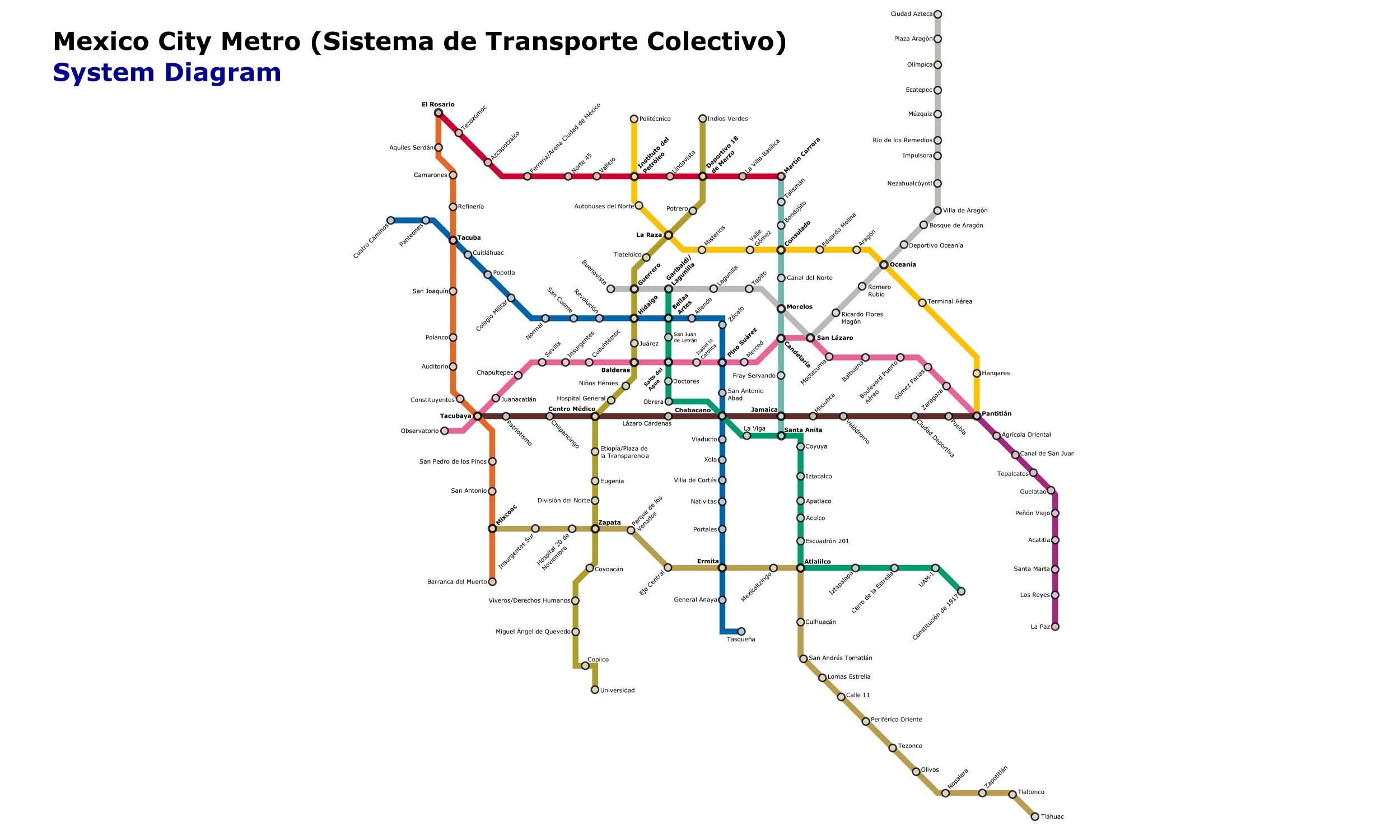
The Mexico City Metro is a rapid transit system that serves the metropolitan area of Mexico City, including some municipalities in the State of Mexico. The metro began its inaugural journey on September 4, 1969, changing the landscape of urban mobility in Mexico City. With the opening of Line 1, the metro system began a rapid expansion that would make it one of the largest and busiest metro networks globally. Designed to address Mexico City's growing population and traffic challenges, the metro has since expanded to 12 lines, serving millions of passengers daily. Of the 195 stations of the STC Metro, 44 serve two or more lines. Several stations are named after historical figures, places, or events in Mexican history. It has 115 underground stations, 54 surface stations and 26 elevated stations. All lines operate from 5 am to midnight. Over the years, the metro system has become an integral part of the city's identity, providing a reliable, affordable and efficient means of commuting in the bustling metropolis.
Mexico City Metro Key Facts
- The Mexico City Metro, one of the largest and busiest metro systems in the world, began operations on 4 September 1969 with the opening of Line 1.
- The metro system has grown significantly over the years and now consists of 12 lines serving the vast metropolitan area of Mexico City and its surrounding suburbs.
- The distinctive M logo of the Mexico City Metro is internationally recognized and has become an iconic symbol of the city's public transportation.
- Many metro stations display murals, sculptures and other artworks, contributing to a unique cultural experience for passengers and visitors.
- Some of the Mexico City Metro stations are among the deepest in the world, with platforms located well below street level.
- The metro system is known for its high ridership, serving millions of passengers every day and playing an important role in the daily lives of Mexico City residents.
- The metro system is integrated with the suburban rail network, allowing seamless transfers and enhancing connectivity across the wider metropolitan area.
- The Mexico City Metro is known for its affordable fares, making it an accessible mode of transportation for a variety of socio-economic groups.
- Ongoing expansion projects continue to add new lines and stations to the metro network, addressing the city's growing population and urban development needs.
- The Mexico City Metro has been featured in various cultural contexts, including films and literature, reflecting its importance in the cultural and urban landscape of the city.
Mexico City Metro Info
- Operator Sistema de Transporte Colectivo (STC)
- Operation Started 1969
- Total Lines 12
Mexico City Metro Map